#WriteProud: Creating Community at the Inaugural Zora Neale Hurston Summit
Attendees modeled the writing luminary who prioritized collaboration in her creative practice.

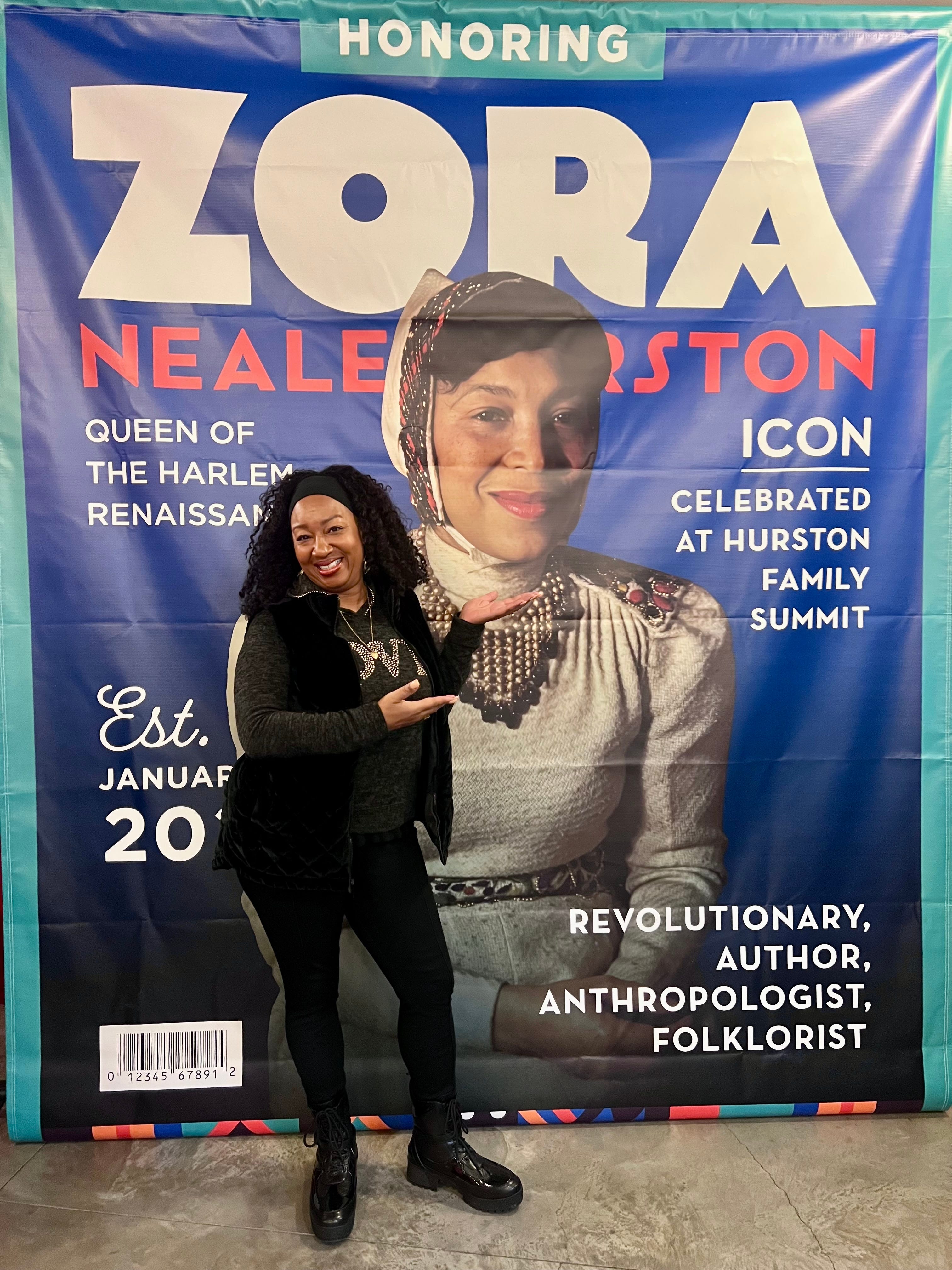
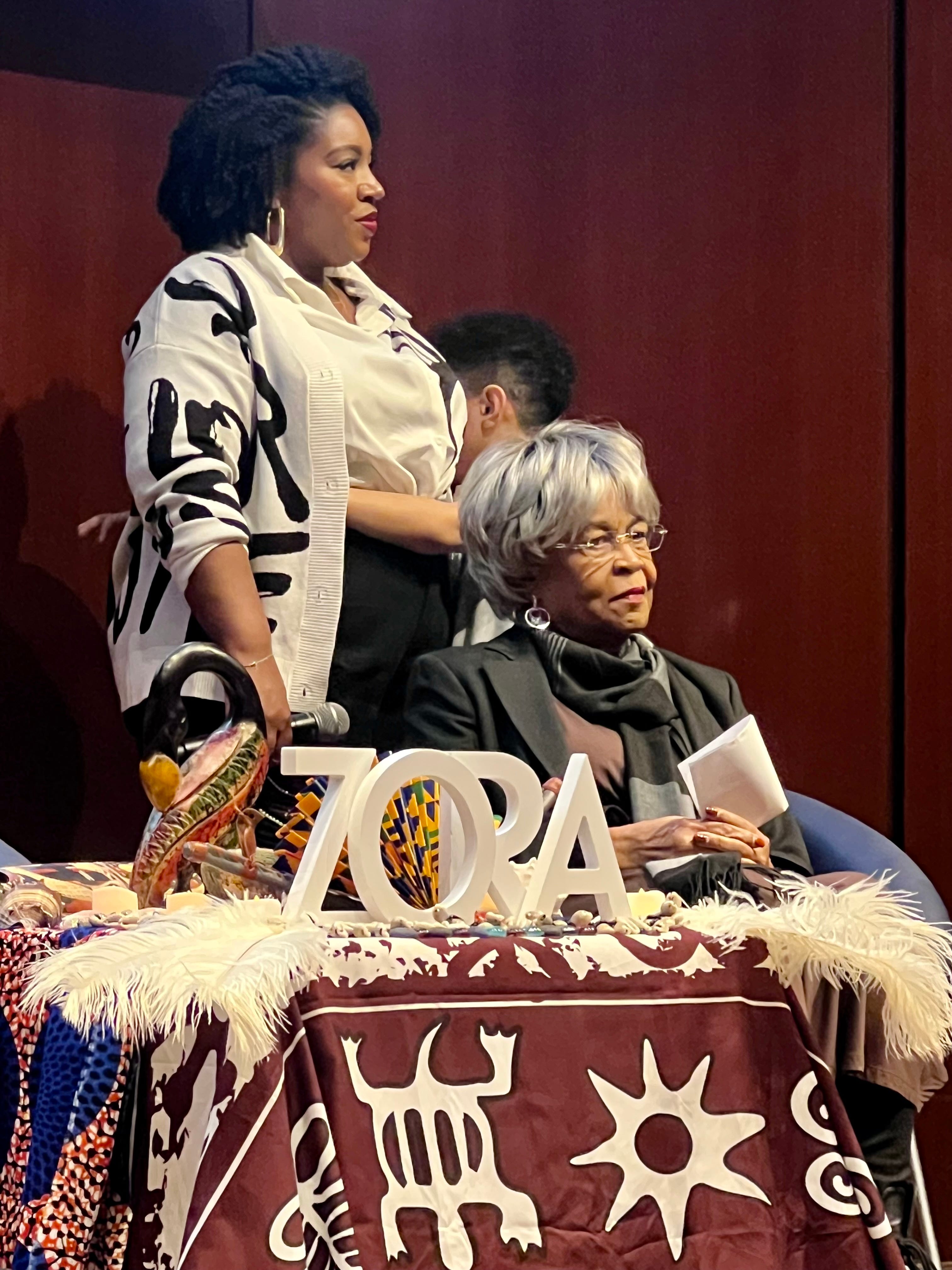
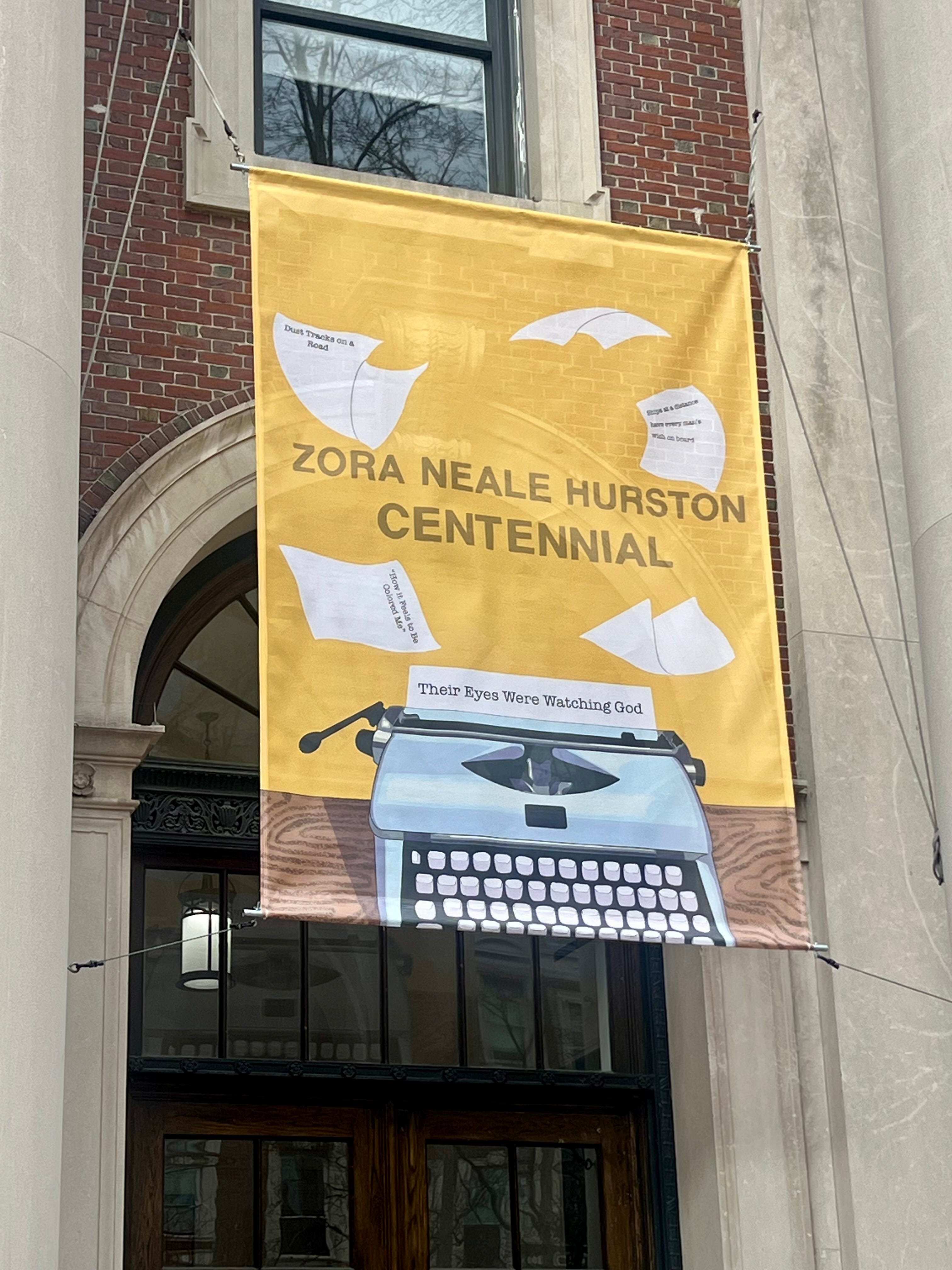
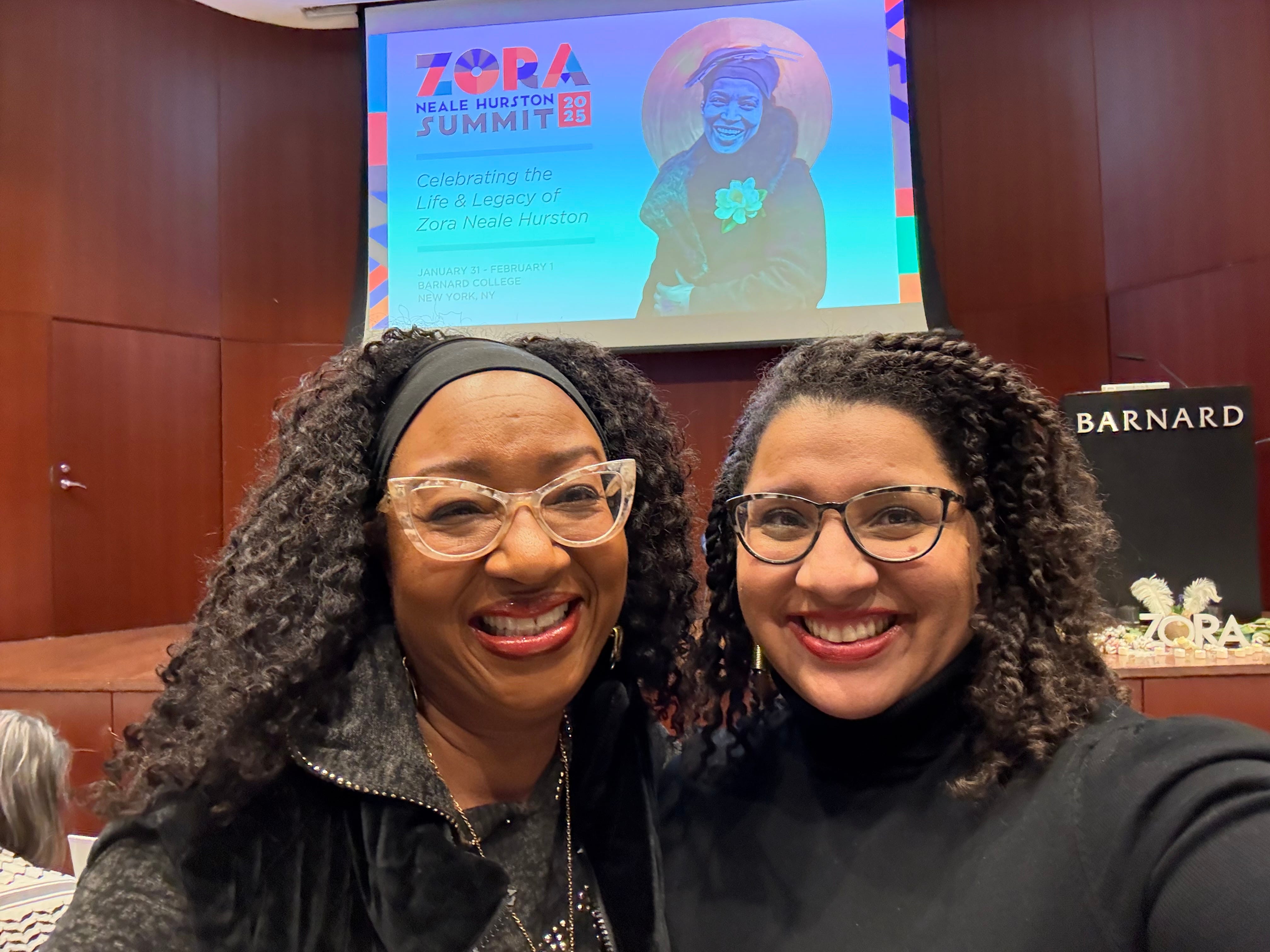
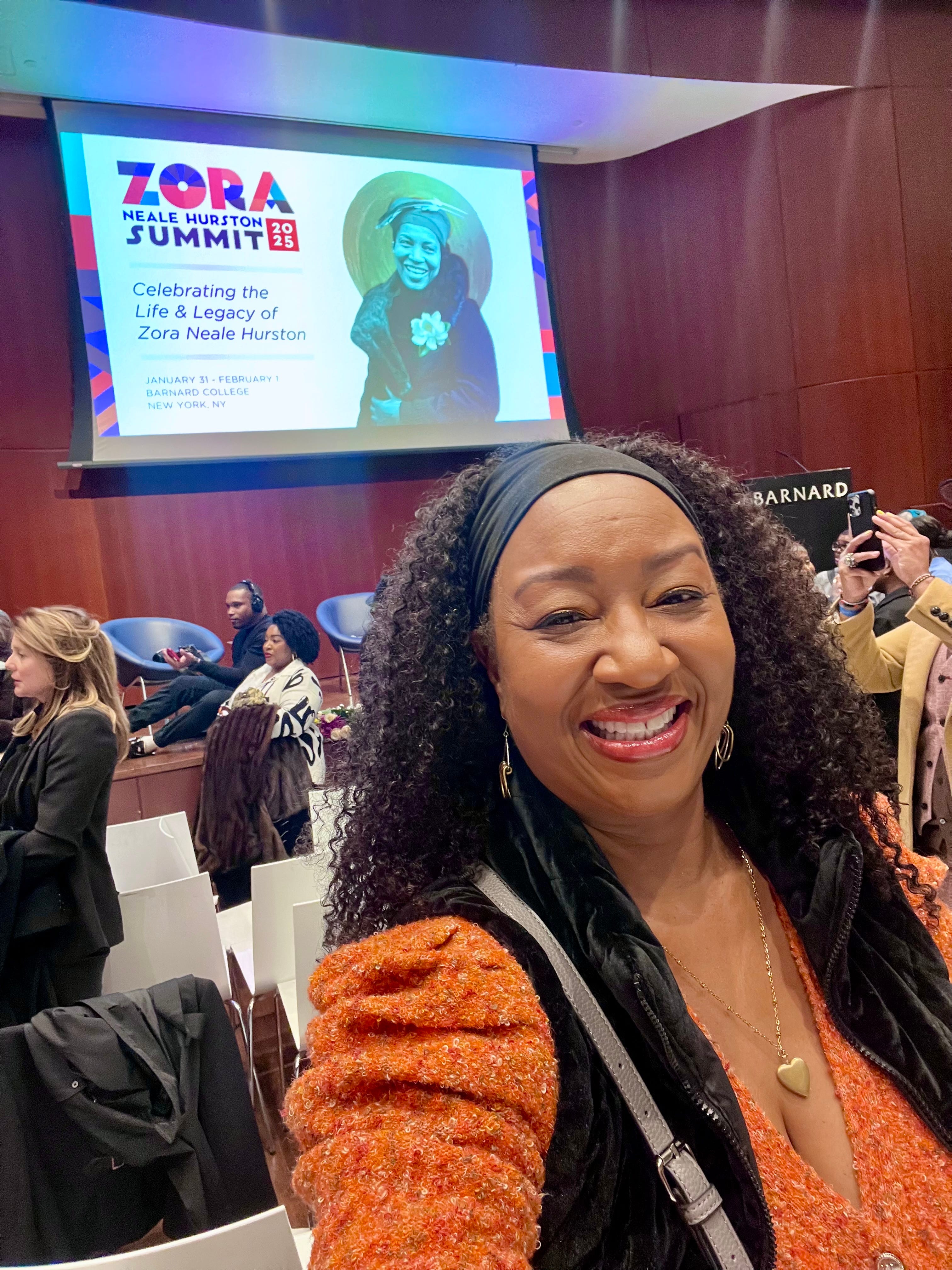
Everywhere I turned during the inaugural Zora Neale Hurston Summit, creatives were actively building community, supporting each other around their crafts. The campus of Barnard College - one of Zora’s alma maters (but not the one where she started - THE Howard University) - was alive with celebration and conversations of collaboration.
During an awesome session by renowned writer-activist Marita Golden, I watched a book distributor stride over to connect with a Black Barnard student, who’d asked the founder of the Hurston-Wright Foundation how to attract her peers who have little interest in engaging in depth literary exploration. Before that connection, Golden advised the student to consider starting a small group on campus and volunteering at a local high school to have a discussion with students about a book - basically advising her to bloom where she was.
From being the life of the party and in conversation with other Harlem Renaissance writers to embedding herself in southern and international locales, it was lovely to hear new insights on how Zora was a pro at building community for her life and work. One of the students Zora taught as an elementary school teacher shared in a session how the city of Fort Pierce, Florida, took care of Zora in her later years, bringing her meals and such, as she wrote and educated their children.
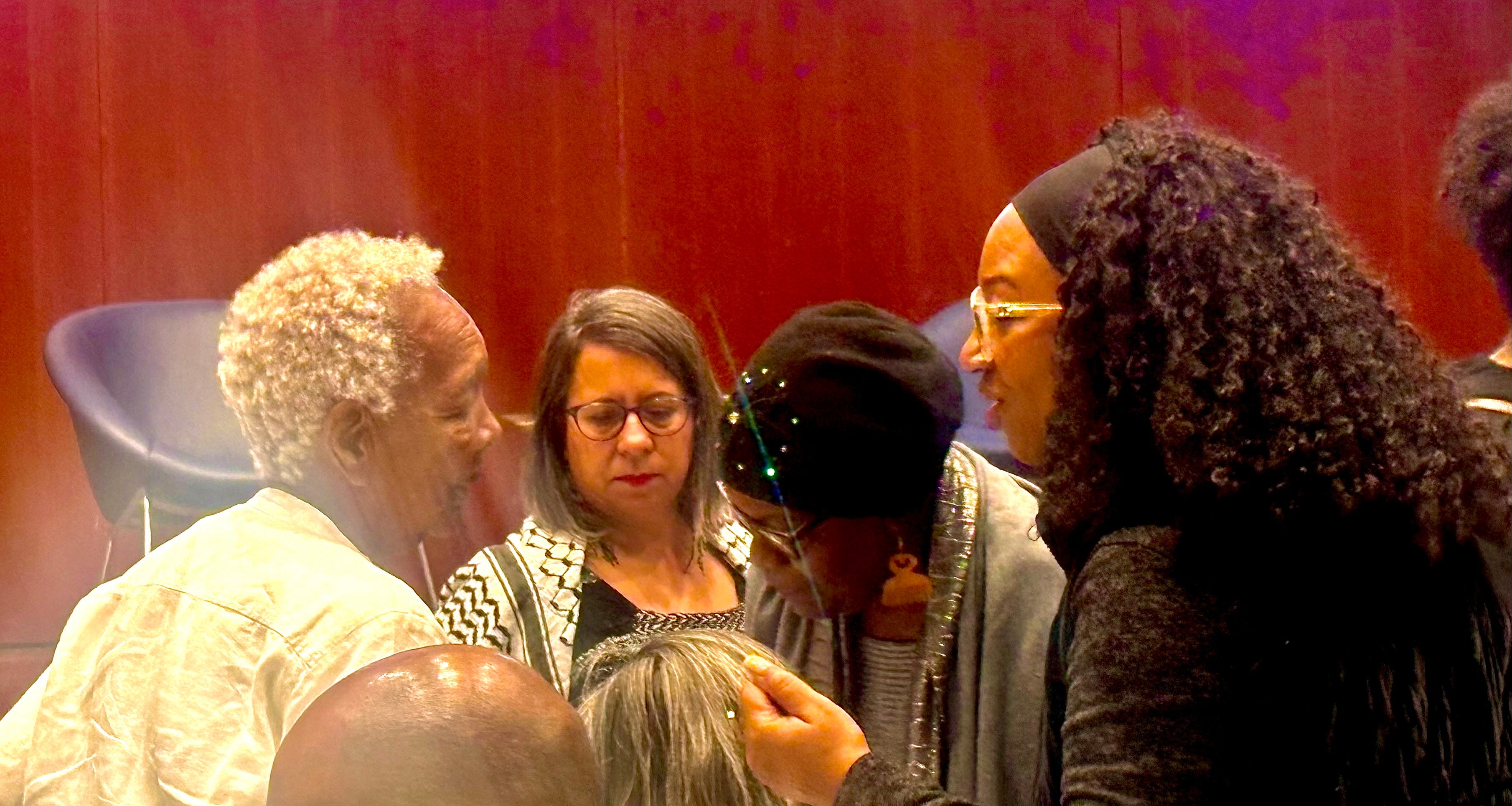
I’d been honored to be introduced to one of Zora’s great nephews the night before the summit began and I sat next to one of her great nieces during the opening event. When attendees were instructed to write down our intentions for attending the summit and our email addresses, I did not expect we’d be asked to swap them with the person sitting next to us. She came to the summit wanting to immerse herself in her legacy. I wanted to commune and engage with lovers of Zora and writing to continue focusing on my literary life. Now we’re connected.
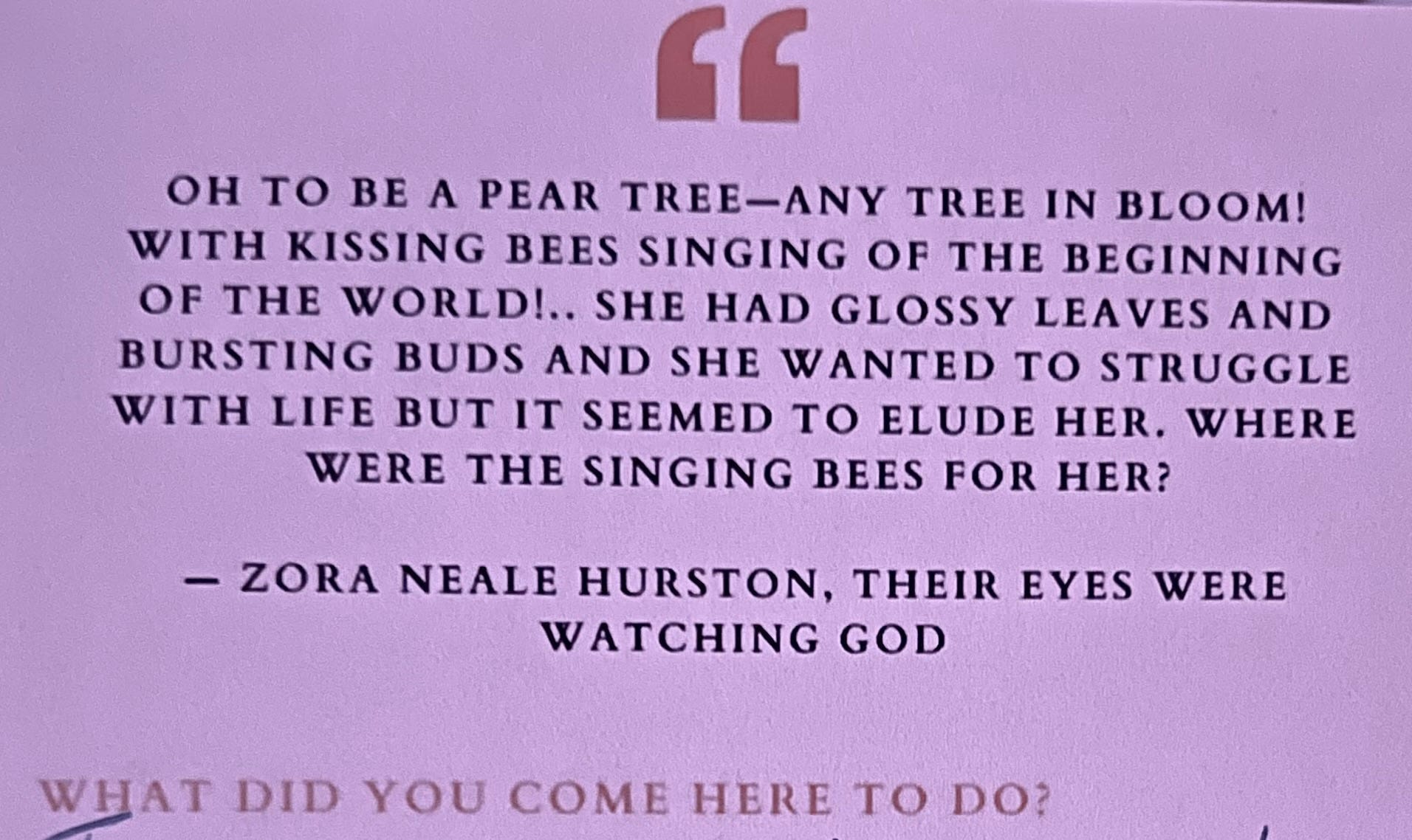
One of the themes of the excellent session, “Zora Neale Hurston’s Harlem” was how she prioritized collaboration. Among their examples was her work with Langston Hughes on “Mule Bone,” their doomed play that resulted in permanent damage to their relationship. Falling out over work must be painful. I don’t think I’ve ever had a relationship end because I disagreed with an editor’s feedback, or a writer hated mine when I was the editor.
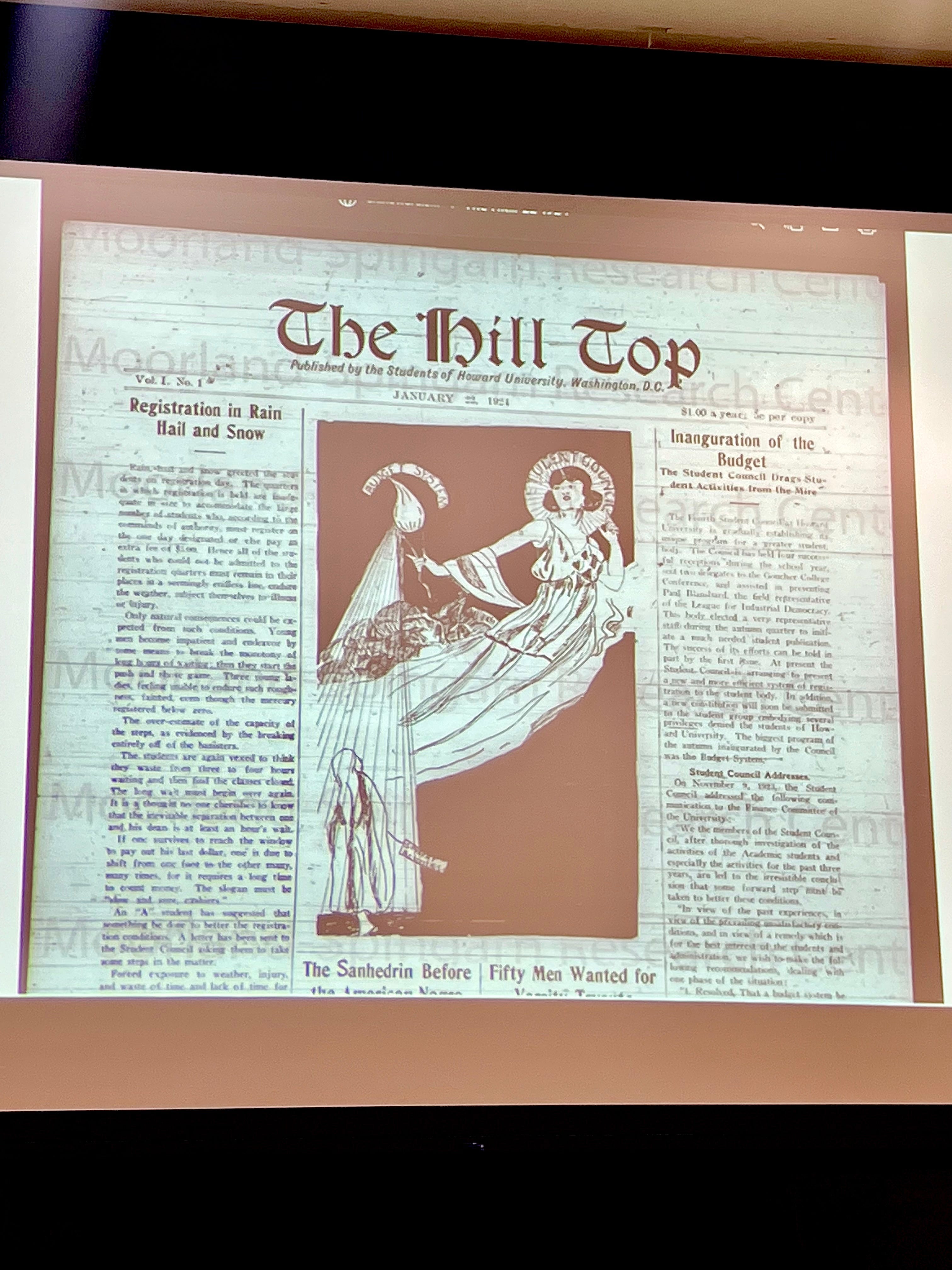
At one point during the summit, I found myself sitting in a corner with three other Howard University alums making up the north, south, east and west of our square. We introduced ourselves by our class years from the 1990s to the 2010s, after a mention of Zora’s time at our beloved university elicited our perfunctory call and response of “HU” “You know!” - which is how we identified each other. Later, I attended an interview with Zora through her portrayal by one Howard professor in conversation with another. My chest was bursting with pride at having worked all four of my college years at Howard’s 101-year-old newspaper, The Hilltop, co-founded by Zora, of course. She also had a hand in Howard’s yearbook, as did I.
Over the last year, I have been engaging in a new community, the Sanctuary, a BIPOC women’s writers collective, founded by author-literary evangelist Lori Tharps. Co-writing sessions, fiction workshops and feedback, insight from agents, ghost-writers, and editors, and most important, sharing our wins and support with each other led me to writing more pages and reading more books in 2024 than any year of the previous decade. Four of those were re-reads and new reads of Zora’s work, including discussing them over the last few months in wonderful book club meetings held by the summit organizers, the Zora Neale Hurston Trust. Shout out to the Trust’s director of programs Rae Chesny for leading a stellar team to pull off this awesome inaugural celebration of our literary luminary.
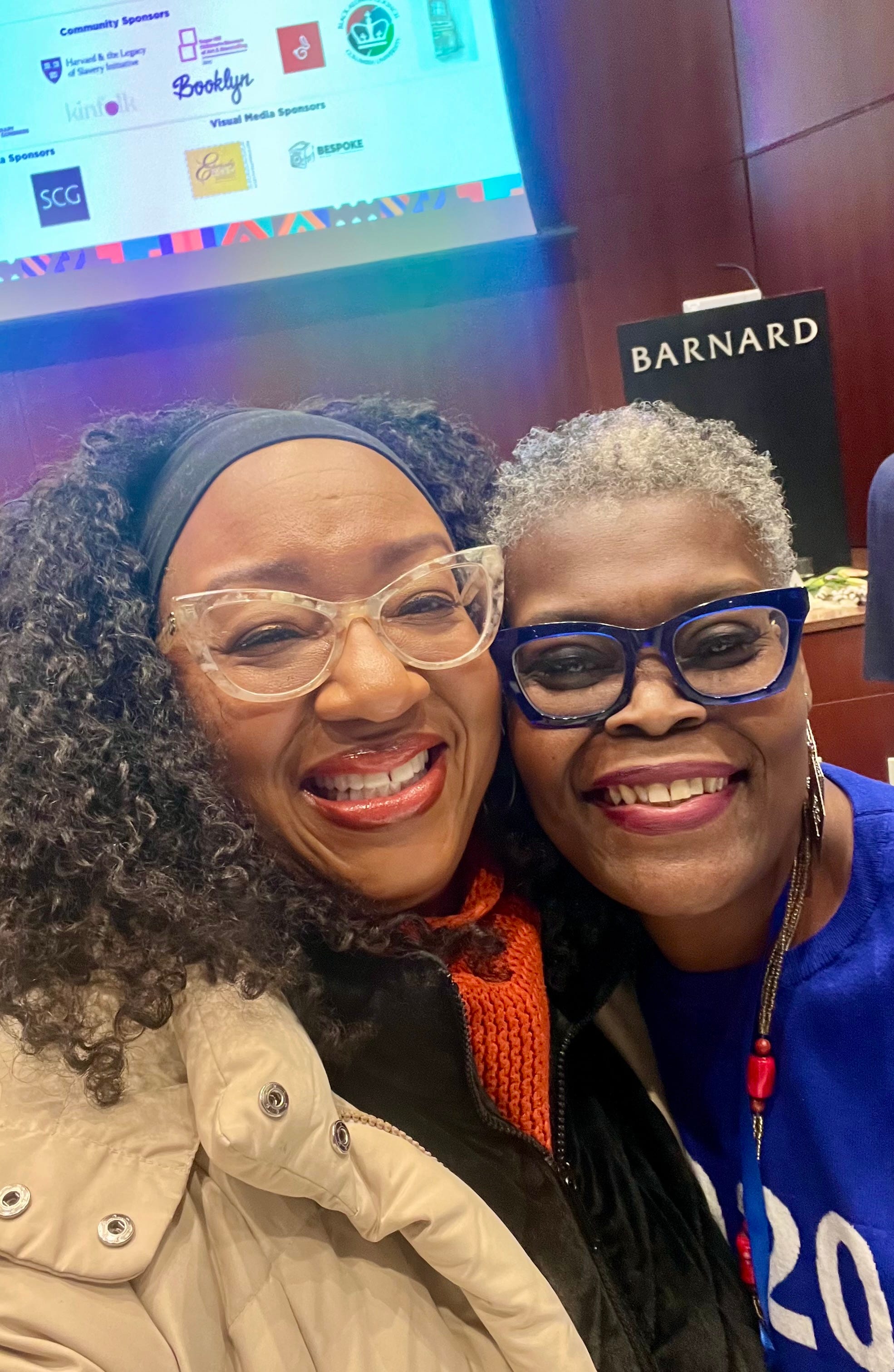
The community of the Sanctuary was on full display as four members presented during the summit, “Every Tongue Got to Confess: A Call to BIPOC Women to Tell Their Stories.” Erica Williams, Nadia Alexis, Candace Bacchus, and Kirsten Ivey-Colson each spoke about their own work through the lens of Zora’s writing and how she practiced her craft. As the Sanctuary collective is virtual, some of us had never met each other, so I was grateful to meet these sister scribes and have a lovely a meal with some, where we shared about our writing projects and discussed what community means to each of us.
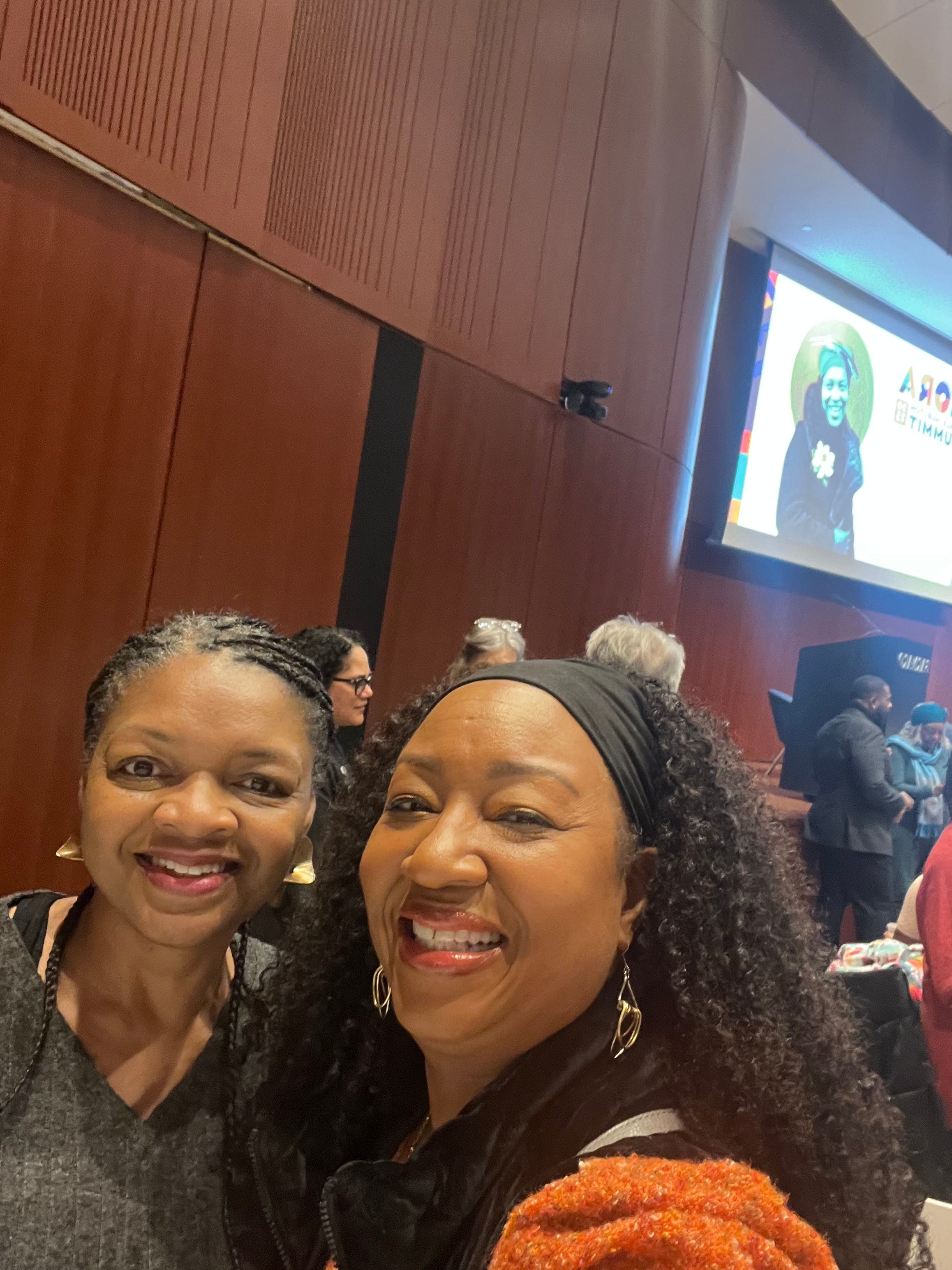
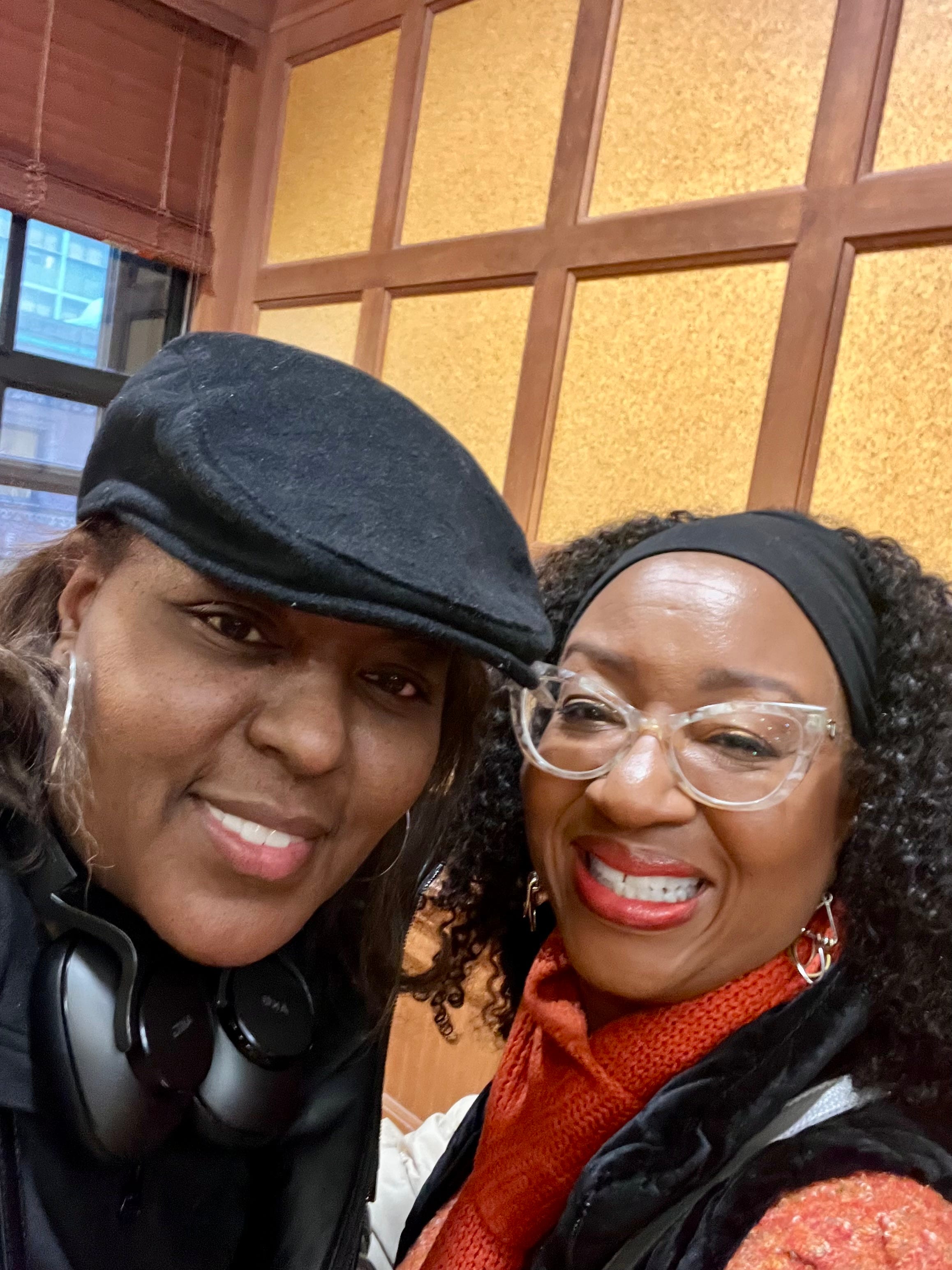
I also caught up with creative and writing colleagues I hadn’t seen in months and years. So great to see all of them thriving, each sharing their current projects - from documentaries to books and expanding businesses - they’re developing.
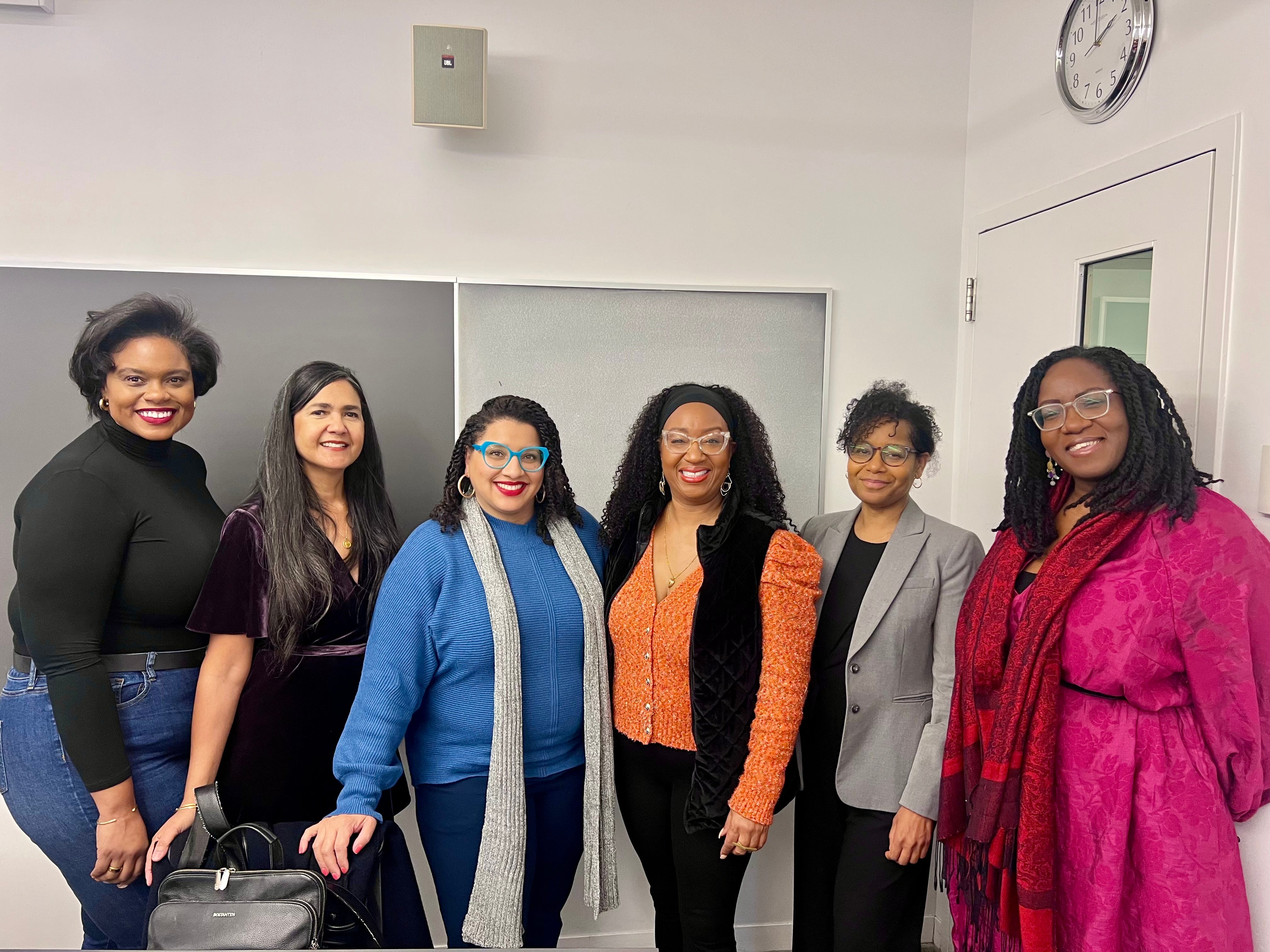
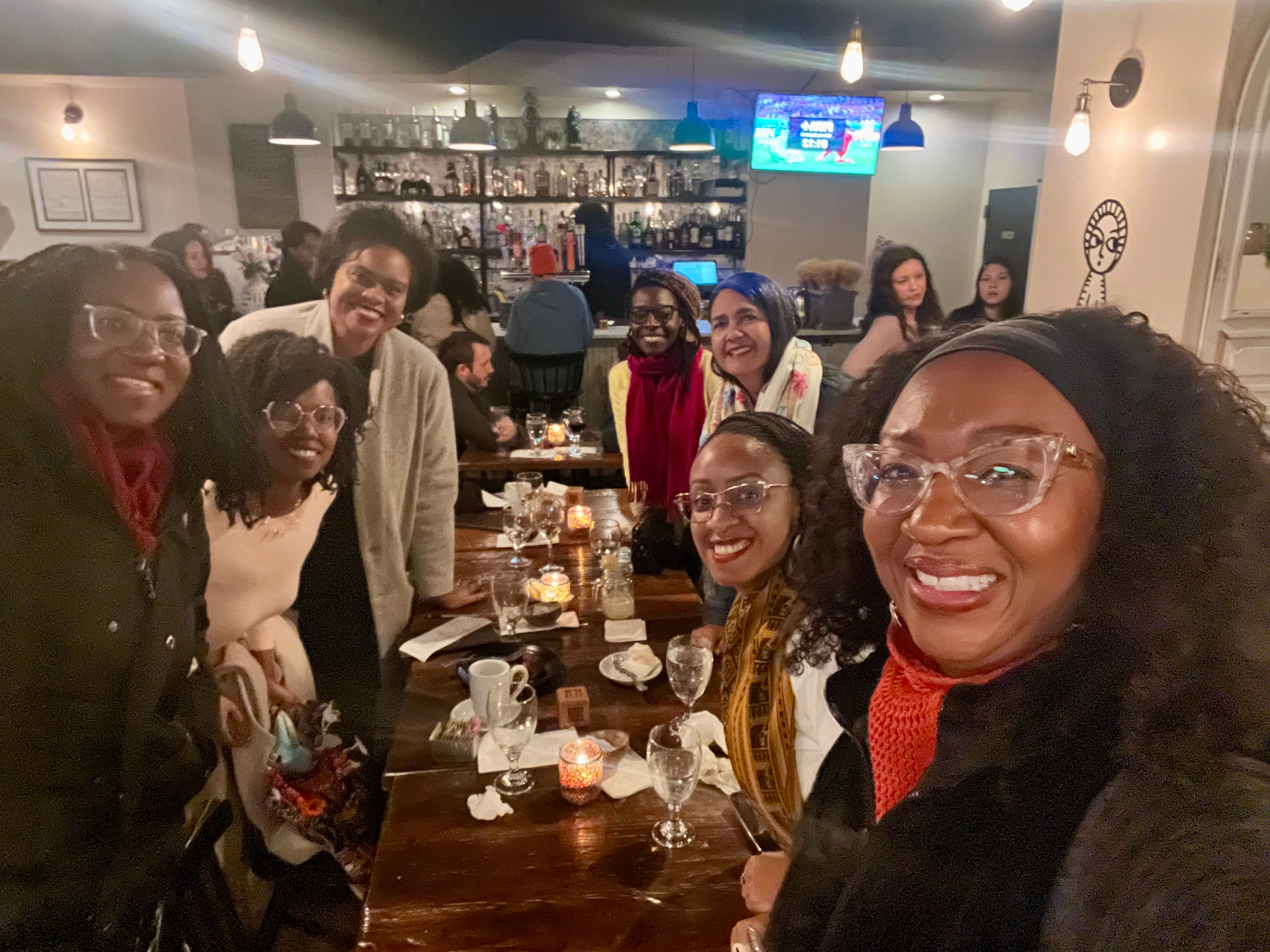
These experiences were such wonderful ways to stay encouraged and motivated about my craft. In one of the last sessions, the panelists showed a 1927 picture of Zora, Langston, and Jessie Fauset, whose 1924 book release party is credited with being the launch of the Harlem Renaissance. They are standing in front of “Lifting the Veil,” the Booker T. Washington monument on the campus of Tuskegee University, which is my parents’ alma mater and my mother’s hometown. I thanked the panelists for showing the photo and shared with them my family’s civil rights history in Tuskegee.
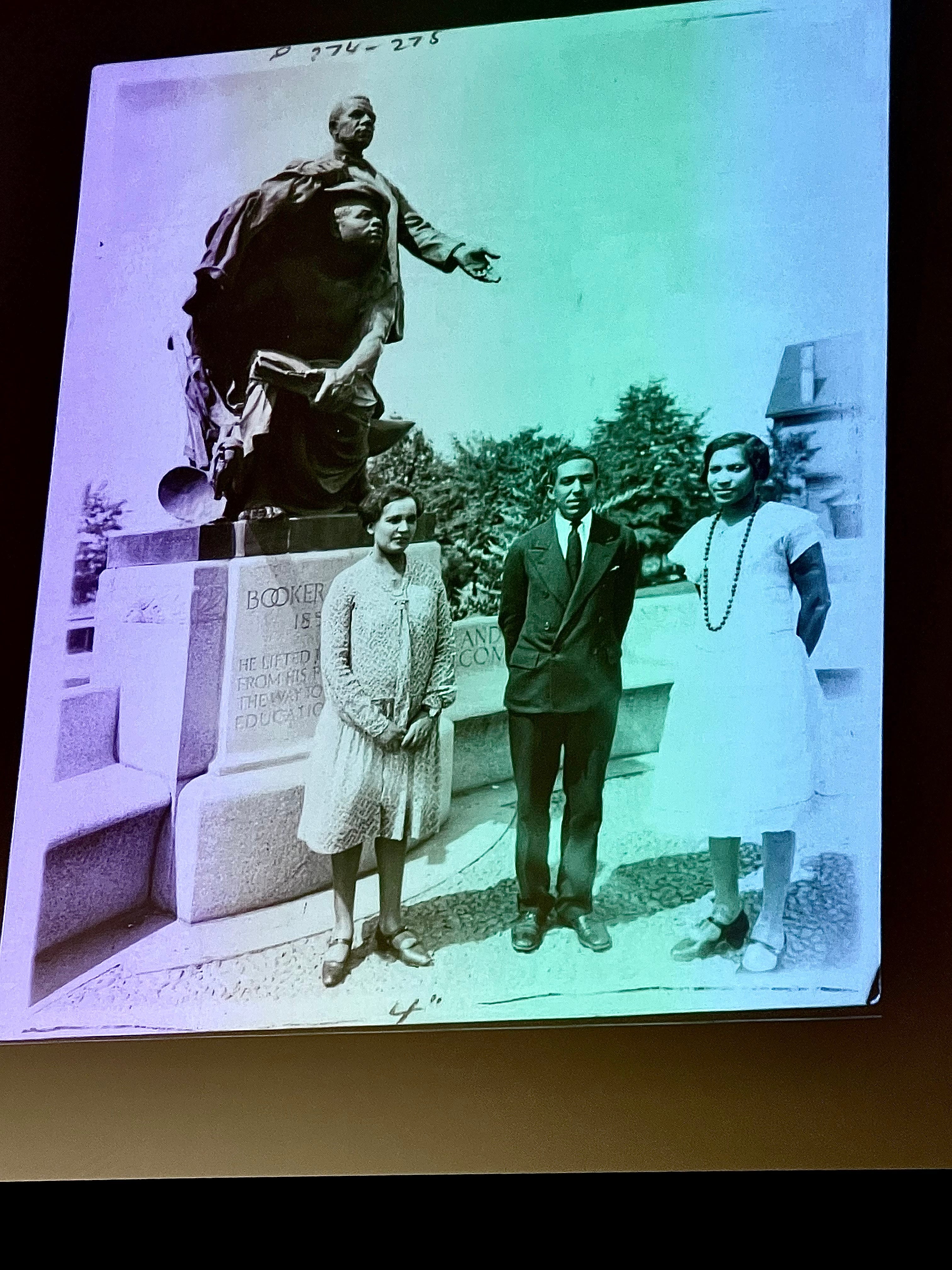
I had never seen the photo and was pleased for it to show up Saturday, as Sunday would have been my grandmother Hattie Lee’s 105th birthday. The freedoms she and my grandfather built community to obtain are what I experienced at the Summit. They are why I #WriteProud.
Great recap!